What is blanketweed?
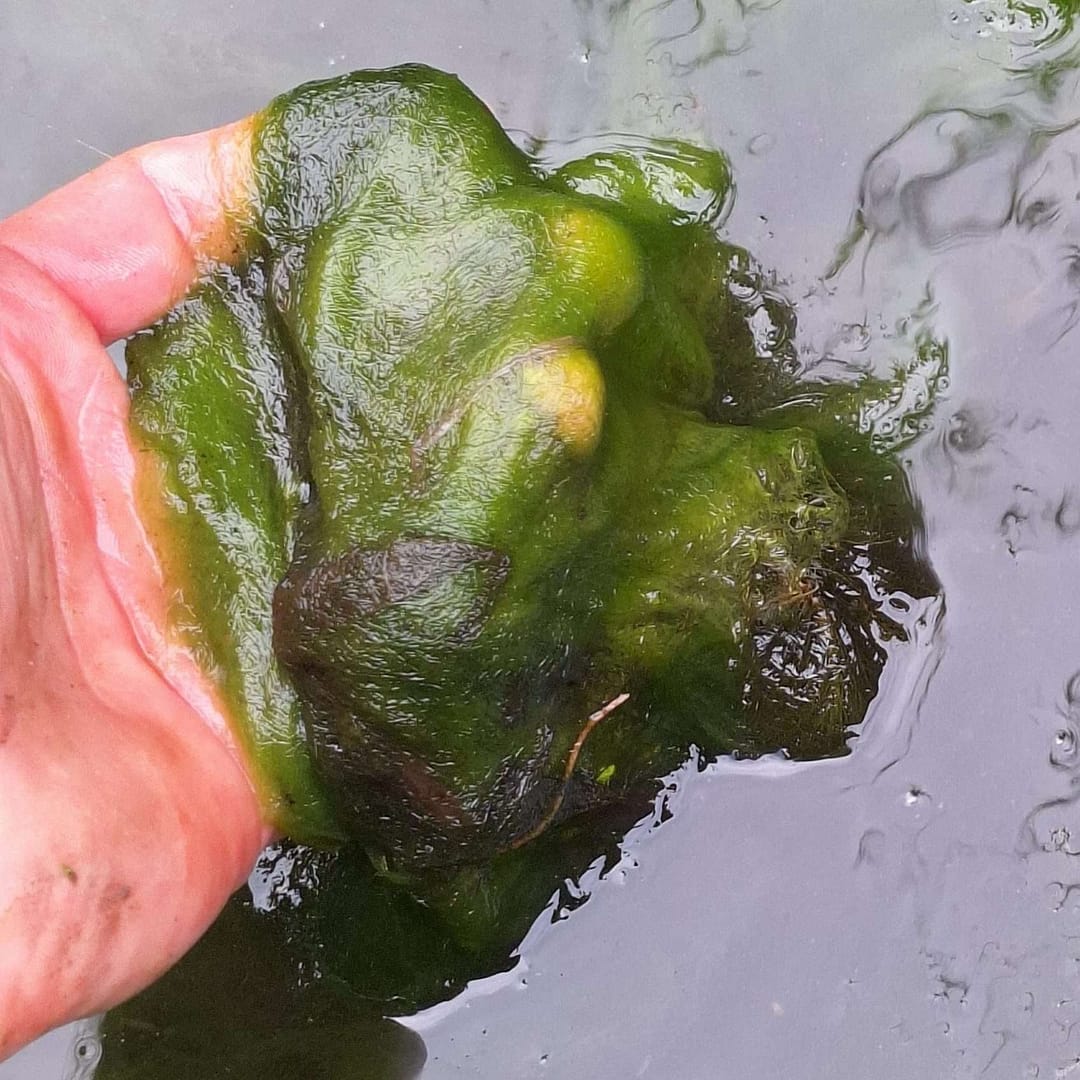
Blanketweed is a filamentous algae that is a common occurrence in many UK ponds and water features. Also known as blanket weed or string algae. Blanketweed is a simple aquatic plant, formed from single celled algae in a mass. Known for getting a hold in ponds with good water clarity and oxygenation. It is often found growing on waterfalls, rocks, pipes and liners, or intertwined with other plant material. Blanketweed has some basic habitat value and can trap aquatic organisms on removal when its open structure collapses upon leaving the water. A sustained and cold winter can reduce blanketweed growth and spread. Recent years however have allowed it to grow rapidly due to calmer winters and earlier warmth and sunlight arriving before aquatic plants and deciduous leaves have established.
Blanketweed benefits:
Blanketweeds main benefit is nutrient absorption. It is a rapidly growing nitrogen hoover, which allows us an opportunity to remove this nutrient from the system.
Blanketweed removal and control methods:
We can try to control blanketweed with a variety of approaches individually or in combination. These include: mechanical removal, nutrient control, competition and technological approaches.
Blanketweed removal – mechanical:
The cheapest and simplest method of removal is to collect it by hand or with a tool. Tools include the Shark Net or toilet brush like poles. Use a hand or stick, gently pull and rotate to spool the weed like candyfloss. To achieve maximum wildlife retention, leave weed on the pond edge for a few hours-overnight before composting. Alternatively deposit weed in a bucket of pond water to allow retrieval of aquatic organisms.
Nutrient control:
Blanketweed is a simple plant and as such requires nutrient, sunlight and warmth to grow and spread within the system. We can control or limit its growth by controlling the nutrient available in the system. We can achieve this by reducing one essential nutrient to below that required for growth and maintaining it at that level. Additives can remove, reduce or control available phosphates. Phosphates are easier to control than nitrates. Administering phosless or phosphate binding treatments will reduce available phosphate and therefore algal growth. Aquascape water treatments including Pond Gummies, Maintain and Clear contain phosphate binders.
To further control nutrient it is important to reduce the nutrient entering the system.
- This might include fish management by reducing stock or feeding schedule and/or quantity.
- Collection of leaves and other floating debris; regularly and efficiently by hand via a skim net. In addition we can integrate an intake bay or pond skimmer at the design phase to make this easier, clean regularly to remove the nutrient from the system and maintain circulation. Regular pond cleaning and sludge packs will help reduce waste on the bottom.
- Secure edges from run-off or collect and divert it away from the pond. High pond edges and a gradient falling away from the pond will help. In addition collecting or diverting run-off water with a land drain, ditch or berm will help.
- Avoid adding nutrient dense materials to beds and borders that are adjacent to the pond, especially if it lifts soil height or is above the pond elevation. Keep an eye on lawn fertiliser distribution and grass cuttings too.
Competing with algae involves the use of plants to remove the growth factors for the blanketweed:
- Absorbing nutrient; a specific, full and varied aquatic planting plan. That is to say select species that are best for different locations, depths, zones, seasons and nutrients.
- Reducing sunlight penetration; biological or physical, for instance shading from Lilies and marginal vegetation works wonders. The addition of a pergola or a shade sail, netting or umbrella as a seasonal solution. The addition of pond dye can reduce sunlight penetration in bright climates, a little goes a long way.
- Reducing water temperature; the use of floating leaved plants and over-shading will help to reduce direct light penetration and therefore reduce water temperature. A greater volume of water will also help to stabilise temperature, creating a slower transition. In addition holding water out of sunlight with design and construction features, such as under a cantilever deck or within in a negative edge system, Intake bay, Pondless waterfall or Fountainscape water feature reservoir helps reduce water temperature fluctuation. Covering an exposed black rubber or plastic lining can help reduce water temperature especially in shallow areas. This is another advantage of the ecosystem approach to pond building.
Technology – The automatic dosing system:
An automatic dosing system is a great way to drip feed pond, waterfall or water feature additives or treatments to the system. This helps to keep the ecosystem pond, waterfall or feature closer to optimum water conditions at all times. Additives include: Maintain, Clean, Clear, Protect and Prevent. Hand dosing pump bottles, dissolving packs and Pond Gummies are also available. A great addition to any water body. Adjust the dosing rates to suit your water volume. These units are low voltage and powered via a small transformer. Learn more from our post on automatic dosers.

Technology – The IonGen system:
For an easy and ongoing preventative and responsive control measure we install an IonGen system. This consists of a control unit to adjust strength of output and a copper alloy probe which releases copper ions which ultimately control the algal growth. These units are low voltage and is powered via a small transformer.

How to use your IonGen:
- Set your Iongen unit to the minimum level that gets the desired result. Turn it up when blanketweed is detected and growing and down again when the weed begins to die.
- Iongens require a total alkalinity level between 100-250ppm to work correctly, safely for fish and efficiantly. Use an alkalinity test kit to ensure compliance, then adjust the parameter if required.
- Use a copper test kit regularly to check concentrations are below 0.25pm which is safe for your fish. Turning off the probe and performing a partial water change is the fastest way to reduce copper levels.
- Check and clean your probe regularly to optimise efficiency.
In conclusion:
A small amount of blanketweed is perfectly natural and common in most pond bodies and aquatic ecosystems. We can even allow some to exist to help bind nutrients in some circumstances, like over a wetland filter. Expect to have some in your system and to make its control part of your regular maintenance regime. Implement some of the ideas you have found in this post to assist you in your endeavor.