Oxygen makes up 1/3 of the atoms in a water molucule (H20) and is directly related to the life and activity a pond can sustain. Oxygen diffuses in and out at the ponds surface where water and air meet. Therefore more oxygen is available the closer to the surface you are. The level of oxygen in water is referred to as dissolved oxygen (DO). The dissolved oxygen available in water is balanced between the volume being absorbed versus the volume being used.
Climatic conditions and pond oxygen:
Two climatic conditions affect oxygen levels in water. These are temperature and air pressure.
The warmer water becomes, the less oxygen it can absorb. On a hot day, less oxygen is naturally available in the pond.
The lower the air pressure is, the less oxygen water can absorb. This means oxygen levels are lower when weather patterns bring low pressure. This means that oxygen also decreases at higher altitudes and greater depths.
Why do we need oxygen in the pond?
Oxygen sustains life. In a pond environment most organisms have an oxygen requirement (Biological Oxygen Demand, BOD). The oxygen they need is sourced from the dissolved oxygen within the water. Some aquatic organisms get their oxygen directly from the surface. For example:
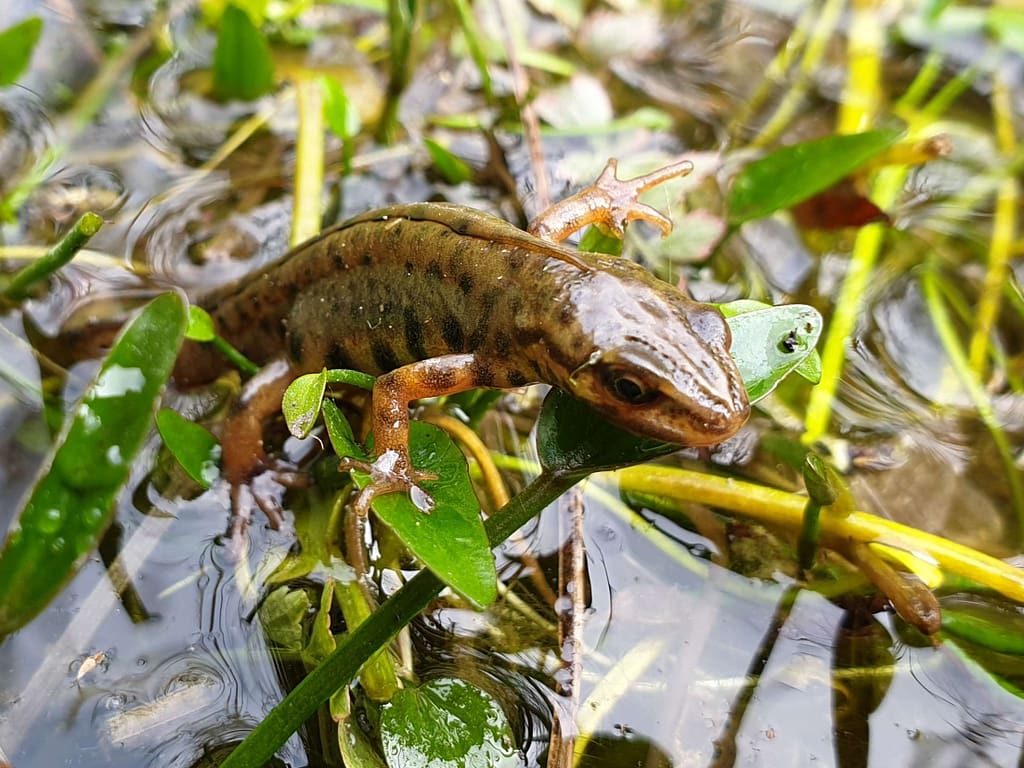
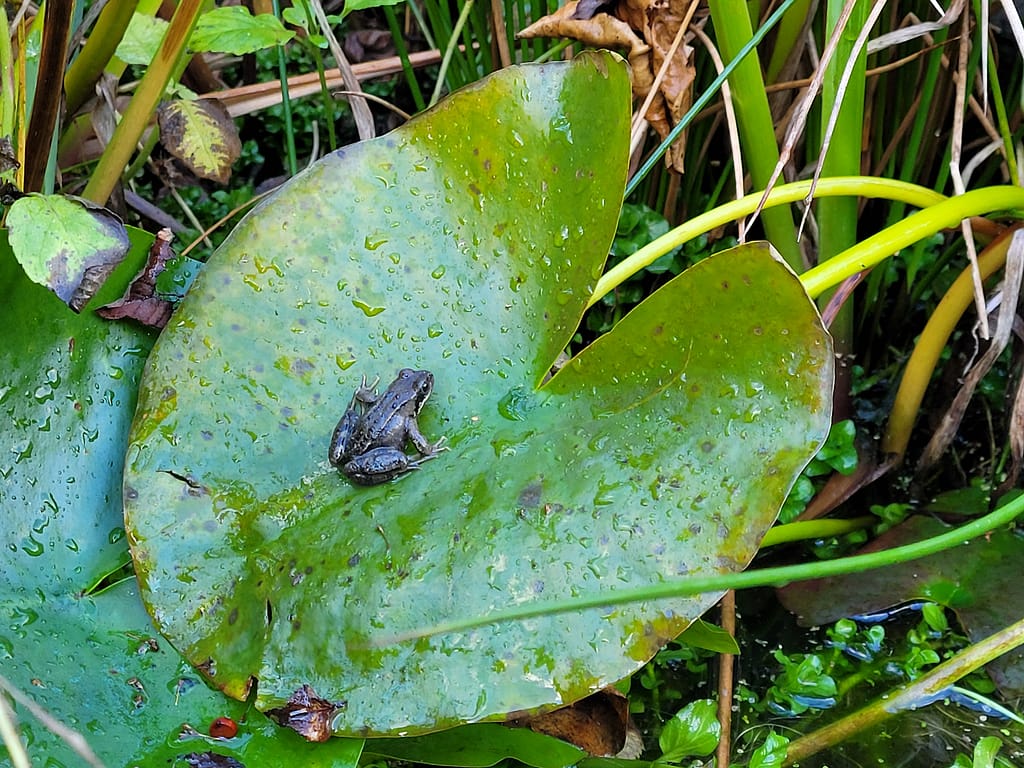
- Amphibians; including Frogs, Toads and Newt species, all breath air once matured.
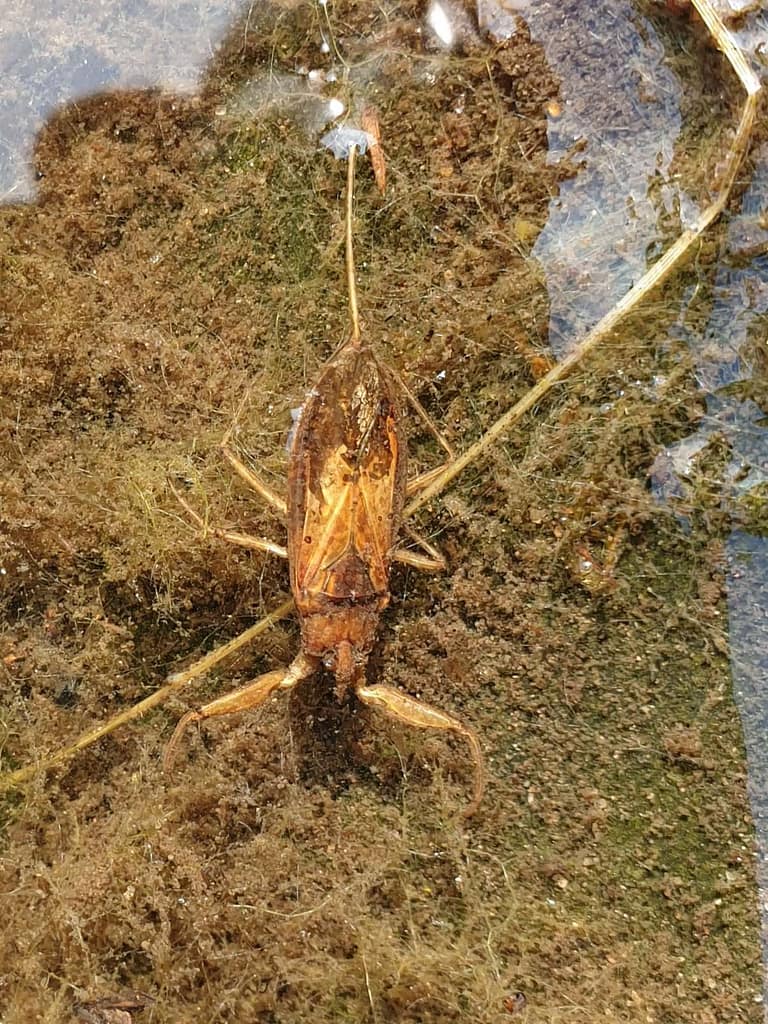
- Insects; including Great Diving Beetles (GDB), Rat Tailed Maggots (RTM) and Water Scorpions all have systems to collect air from the surface.
Most organisms get their oxygen from the water column ie from the oxygen in the water. This includes bacteria, zooplankton, insect larvae and/or adults and fish species.
Should you have Oxygenating pond plants?
In short yes. Oxygenating plants are great. They include some marginals such as Scirpus Cernuus and several pondweeds, which are a great addition to the pond. They release small bubbles of oxygen during the day as a result of photosynthesis.
Oxygenating pondweed also:
- Create habitat, providing shelter and supporting the food web.
- Absorb nutrients helping to keep water clear- provide a spawning media for fish.
- Provide shade, cooling the water. You should consider the growth rate and depth when planting these species as some can take over.
- Ponds are about balance and it is important to understand that pondweed can also have the opposite effect on oxygen. Over night it absorbs oxygen from the water which can be an issue when there is lots of pondweed or high fish stocks.
- Algae and oxygen: excessive algal growth can also consume too much oxygen from the pond potentially causing issues.
Pond treatments and Oxygen?
Any treatment that uses natural processes like bacteria and enzymes can have a high oxygen demand. It is usually advised that aeration is maintained during and after application. This boosts the bacterial action and helps maintain oxygen levels in the water as the bacteria action takes place to break it down. Any treatments or natural processes that kill off algae can cause a similar effect as the decomposition process occurs. This can cause hypoxia; a lack of oxygen. Zooplankton population growth to consume excess algae has the same effect.
Pond filters and oxygen:
Filters for ponds usually have a media component to encourage and sustain denitrifying bacteria. These bacteria help to convert ammonia from fish waste to nitrates that plants can consume. These bacteria have an oxygen demand. We provide a constant flow of water to keep the oxygen high and maintain the optimum volume of bacteria in the filter whilst feeding them the waste. In our Ecosystem Ponds this is achieved by drawing off the oxygen rich surface layer of water via a skimmer or intake bay. This feeds the bacteria on the filtration; Biofalls or Wetland. The deoxygenated water is then aerated via a waterfall and/or fountainscapes. This keeps the system running optimally.
Fish and oxygen:
Heavier stocking density, ie more fish will require more oxygen from the water. Fish have gill structures which allow them to absorb oxygen from the water around them. The look and habitat of a fish usually gives an indication of its oxygen requirement. For example trout have a high oxygen demand and have a streamlined body. They are very active fish, found in fast moving, clear water, like chalk streams and rivers. Oxygen is more plentiful in this environment. A pond species equivalent would be Orfe who are streamlined and very active. Whereas Goldfish have a lower oxygen requirement. They have a more rounded body and forage for food in static water bodies where less oxygen is available. Koi have a fairly high oxygen demand and are often kept at higher densities which makes additional aeration essential.
Warning signs to watch for in your fish?
Gasping is a clear sign of low oxygen issues in your pond. This looks like fish are at the surface ‘gasping’ for air with their mouths reaching out of the pond surface. Do not confuse this with the excitement they exhibit when they are asking for food. Fish may congregate at an air source such as around waterfall or aerator. This is a sign that they are searching for the more oxygenated water due to low level in the pond. Larger fish have a higher oxygen demand and will usually struggle and die first. If you lose a big fish consider low oxygen as a possible culprit.
What to do if you suspect an oxygen crash?
If you are having issues and need to act immediately you can try:
- Adding a pump which breaks the surface.
- Adding a pump and pipe to drop water back on to the surface from height.
- Turn on any external features.
- Set a hose to splash on to the surface and make a partial water change or over-top the pond. Remember to add a suitable dechlorinator to protect wildlife and fish if appropriate.
- Make a plan and take action to prevent or be ready for a recurrence.
How can you increase the oxygen in your pond?
Pond aeration: the act of adding/mixing air with water to increase oxygen levels in the water. Common aeration methods are listed below:
Waterfalls:
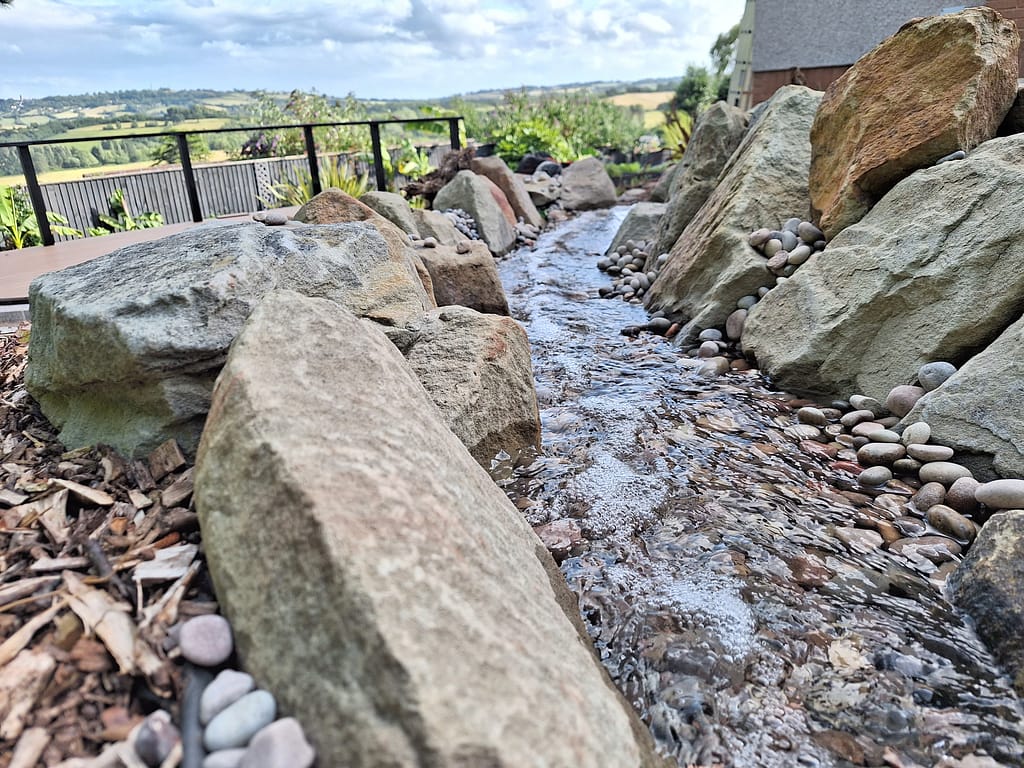
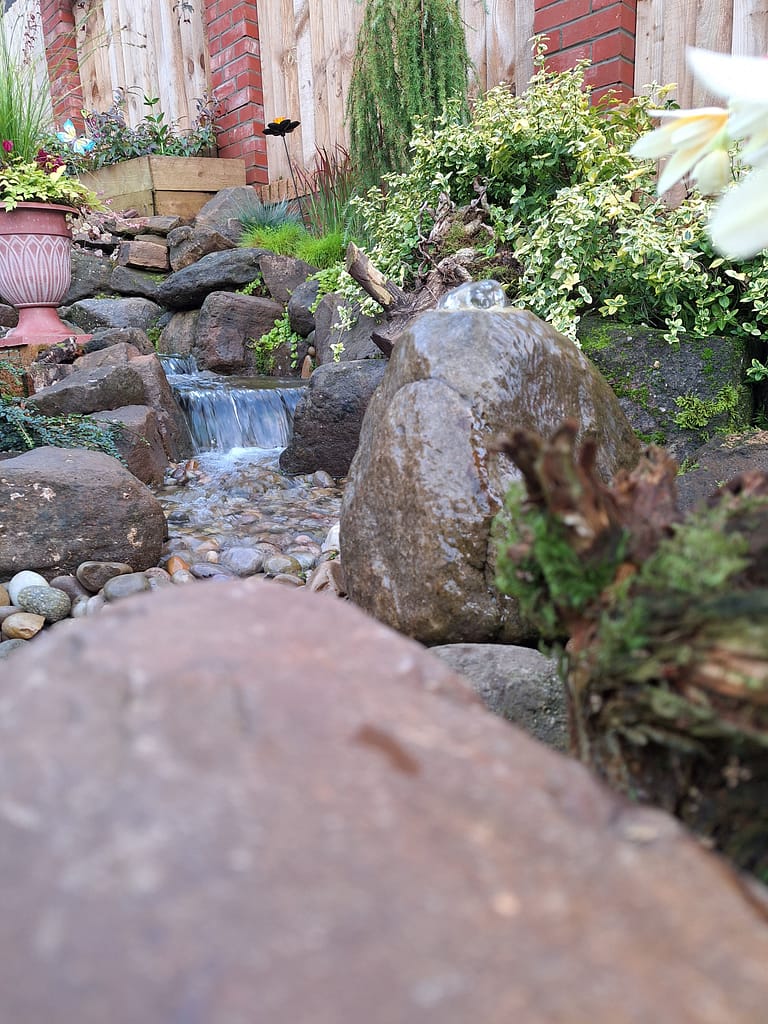
Our Ecosystem Ponds are designed to return water to the pond via a waterfall. Waterfalls reduce the depth of water and agitate it across drops around and over stones and pebbles which forces more oxygen in to the water.
We design and construct waterfalls for existing ponds too.
Water Features:
Water features and fountainscapes can be added to a pond to provide aeration:
- A decorative spitter; circulating a jet of water.
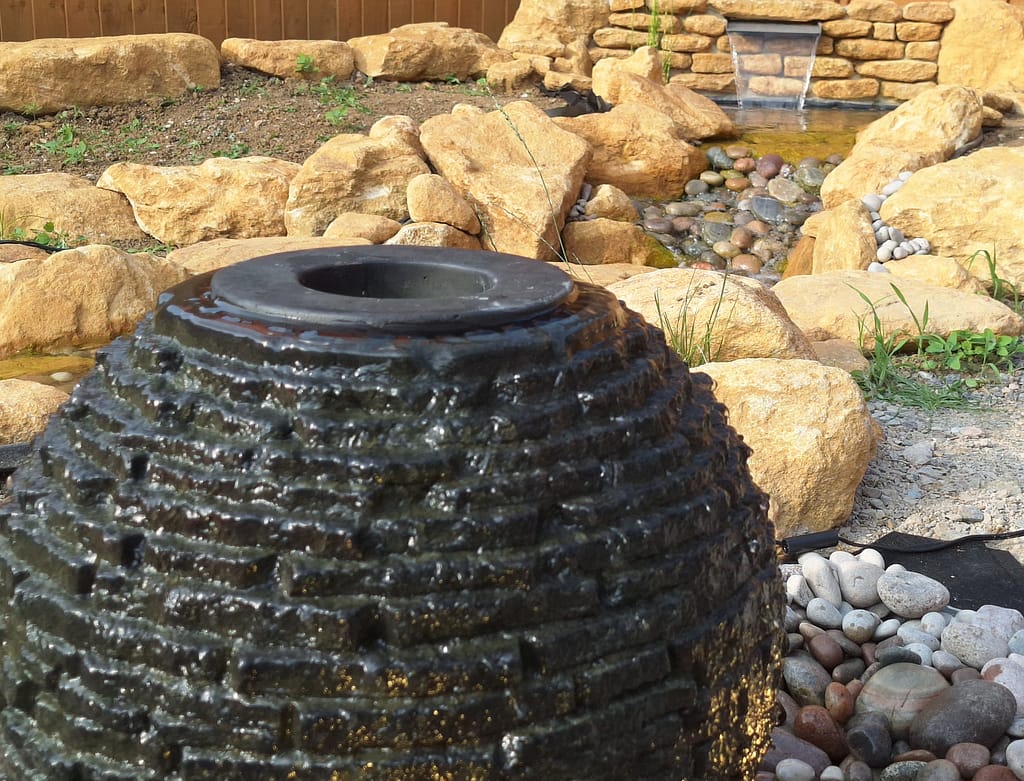
- A fountainscape; creating a thin layer of water which crashes over the textured surface of a stacked slate sphere or urn.
- Spillway features; dropping a thin sheet of water from a ledge down to the pond surface.
Oxygenating pondweed:
Some species of aquatic plant can provide oxygen to the pond directly by releasing small bubbles from their leaves. Our favourite native is Hornwort (Ceratophyllum dermersum) a common ornamental is Canadian Pondweed (Elodea canadensis). Additional benefits of pondweed include nutrient absorption, habitat provision and being a spawning media.
Aeration System:
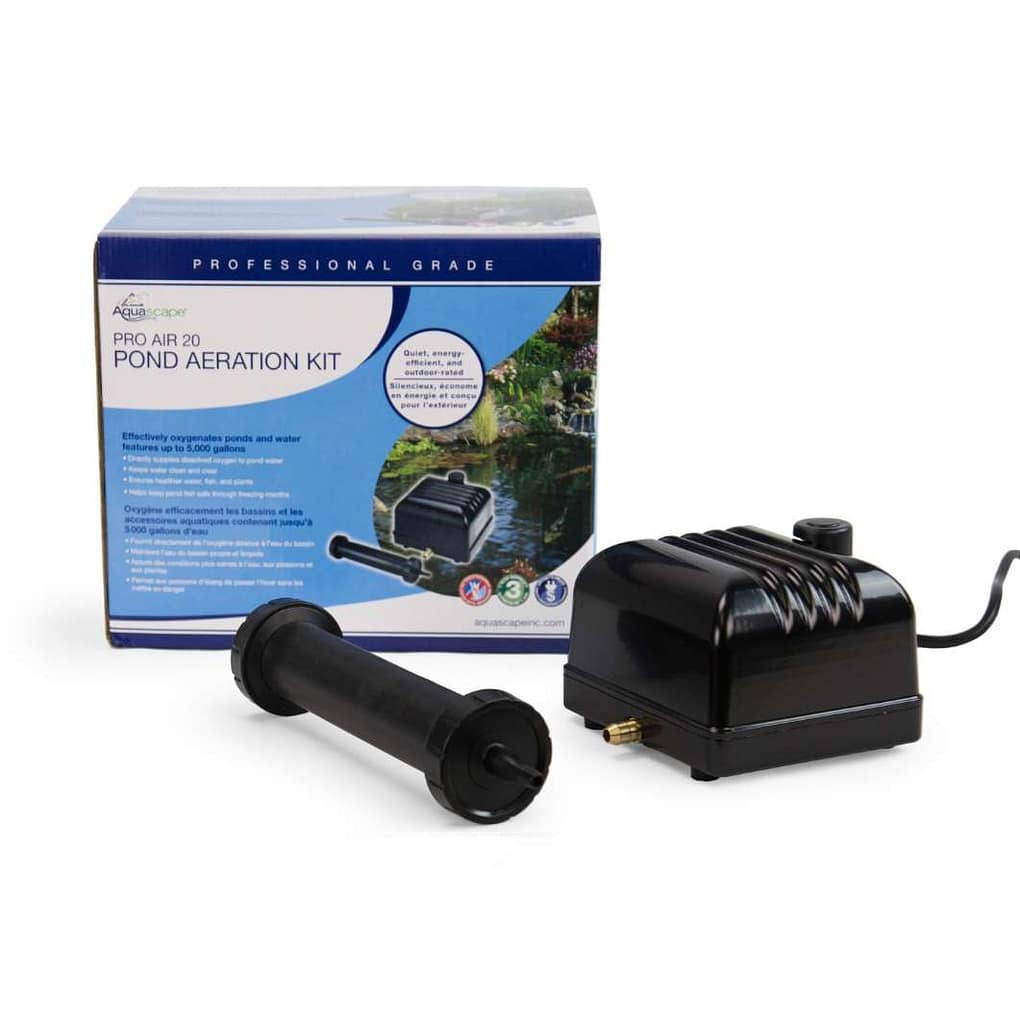
The direct addition of air to the water. This consists of an air pump, hoses and stones or diffusers to release the air in to the water column. Diffusers are usually located on the pond bottom as the longer a bubble is in contact with water the greater the transfer. Similarly a smaller bubble will have more water contact and therefore more oxygen transfer will occur.
Ripples and wave action:
Oxygen is transferred between air and water at the surface. Therefore an increase in surface area will allow more oxygen transfer. This can be achieved by moving the surface. A waterfall or water feature/fountainscape will create small waves or ripples. These increase the surface area greatly.
Temperature control methods and oxygen:
We know that increasing temperatures mean decreasing oxygen in the pond. Therefore if we can reduce the water temperature, we can help keep oxygen levels higher.
Methods to achieve shading include:
- Floating leaved plants; Water Lilies are great as they produce broad leaves across the surface in the warmer months.
- Marginal plants; adding taller species to the margins can help cast shadows over the pond.
- Terrestrial planting or positioning. Having tree canopy or shrub shading helps to cool the water.
- Volume; the greater a volume of water is, the more resistant to temperature change it is. This is especially true if some is shaded.
- Covered water; this can be achieved by structures like a bridge or cantilever deck. Other forms include an intake bay and/or negative edge. These hold water in a shaded reservoir keeping it cooler.
Other points for consideration:
During winter it is important to consider gas exchange in the pond. If the surface is fully iced over it can reduce oxygen uptake and trap toxic gases. See our frozen pond article for more information.
Anaerobic conditions; this is when a water body is depleted in oxygen which can be for many reasons.
Super saturation is the term that covers too much oxygen in the water. This is a rare issue that could impact fish health. It is caused by over oxygenating the water however this is hard to do in a pond environment.
If you are looking for an aeration system or an oxygen increasing waterfall or fountainscape please do contact us here.
add images via gallery below